
Save £40 on all new patient consultations

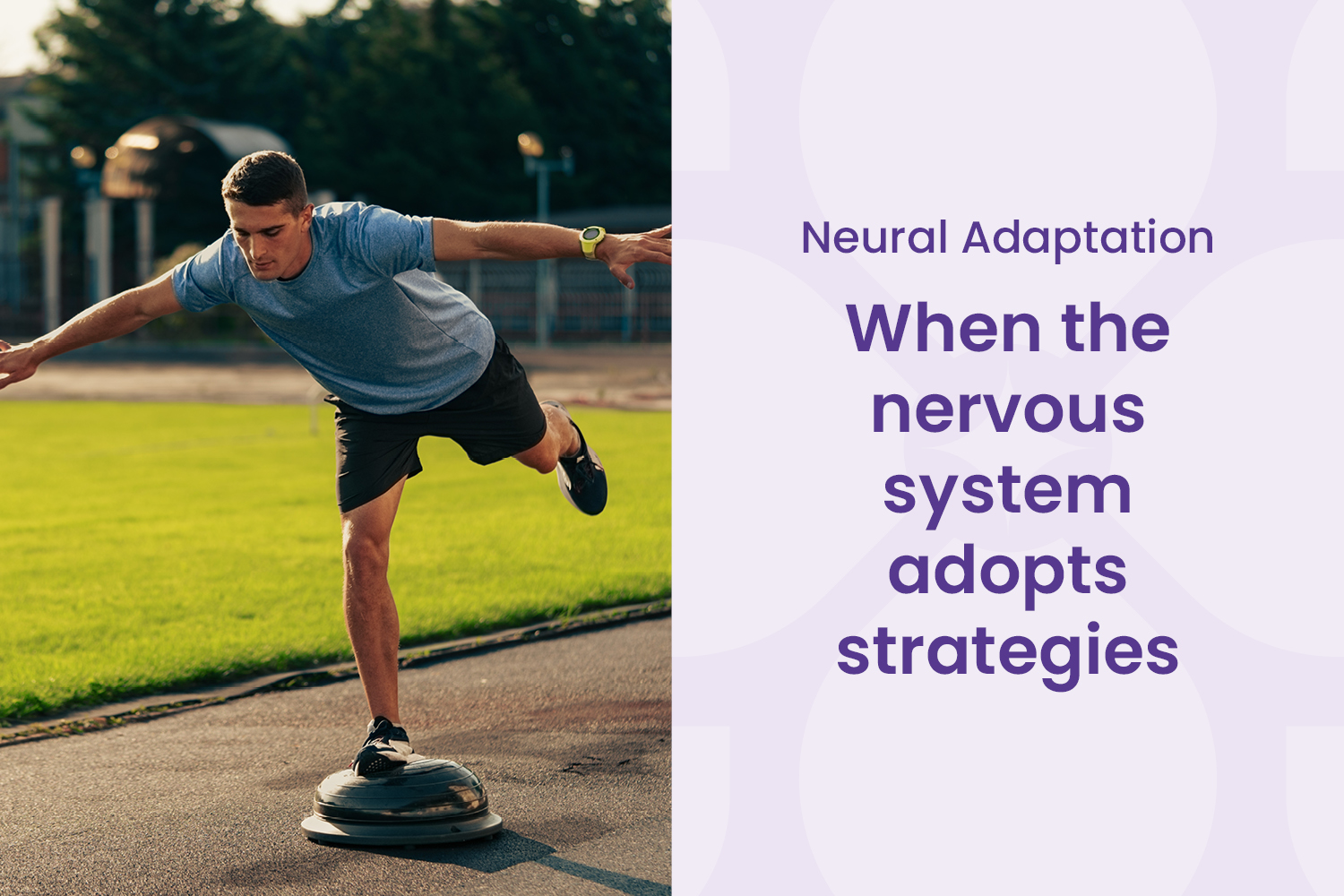
Most people can sense when their body is organising movement in a familiar way. A shoulder lifts before the arm moves. One leg steps first. A sequence unfolds that feels known.
You might think these are just habits, the way you naturally move. At the nervous system level, however, they’re simply the strategies it has access to right now because other strategies aren’t available.
Chiropractors pay attention to the moment when the nervous system recognises that another strategy has become usable again. It’s subtle, but it marks a shift in how the body organises movement.
A new strategy doesn’t appear out of nowhere. It only becomes possible when the nervous system gains access to something it couldn’t use before. That access is what changes the picture.
Until that point, the system stays with the strategy that behaves consistently enough for it to rely on.
When the nervous system receives information that a previously unreliable area is now behaving in a way it can trust, a new strategy comes into view. With that option available, the system has a genuine decision to make, and that availability is what makes transition possible.
This shift is called motor re‑selection. It happens in the instant the nervous system recognises that a different strategy now offers more clarity or stability than the one it has been using.
At that point, the system registers that an area of the body that had been off‑limits has become usable again. That restores a strategy that wasn’t previously accessible. With that strategy back in play, the nervous system updates its plan.
It doesn’t need to practise the new strategy. It simply selects it because it now behaves better. This is a live decision, made moment by moment, as the system evaluates what it can rely on.
You rarely feel the decision itself. You feel the transition that follows: movement that organises itself with less hesitation.
A chiropractic adjustment changes the conditions the nervous system uses to select a strategy. When a spinal segment begins to behave in a way that can be used again, it restores a strategy that had been unavailable.
The adjustment doesn’t impose a new pattern. It reintroduces a strategy the nervous system had stopped considering. At that moment, the system has a genuine choice again: continue using the workaround or shift to the newly available option.
This is the heart of strategy change. The nervous system selects the option that now makes the most sense. The adjustment acts as the event that restores choice, allowing the system to move from a constrained strategy to one with more freedom and better organisation.
When the nervous system selects a new strategy, the shift often feels like ease. Movements that once felt staged begin to flow. Sequencing becomes smoother because the system is no longer relying on a workaround.
Compensations fade because they’re no longer needed. The body feels quieter and more coordinated, as though it has stopped preparing for an obstacle that is no longer there.
This is the moment the nervous system stops defaulting to a constrained strategy and begins using an option that had been unavailable. You’re no longer limited to a single solution because your body has choices.