
Save £40 on all new patient consultations

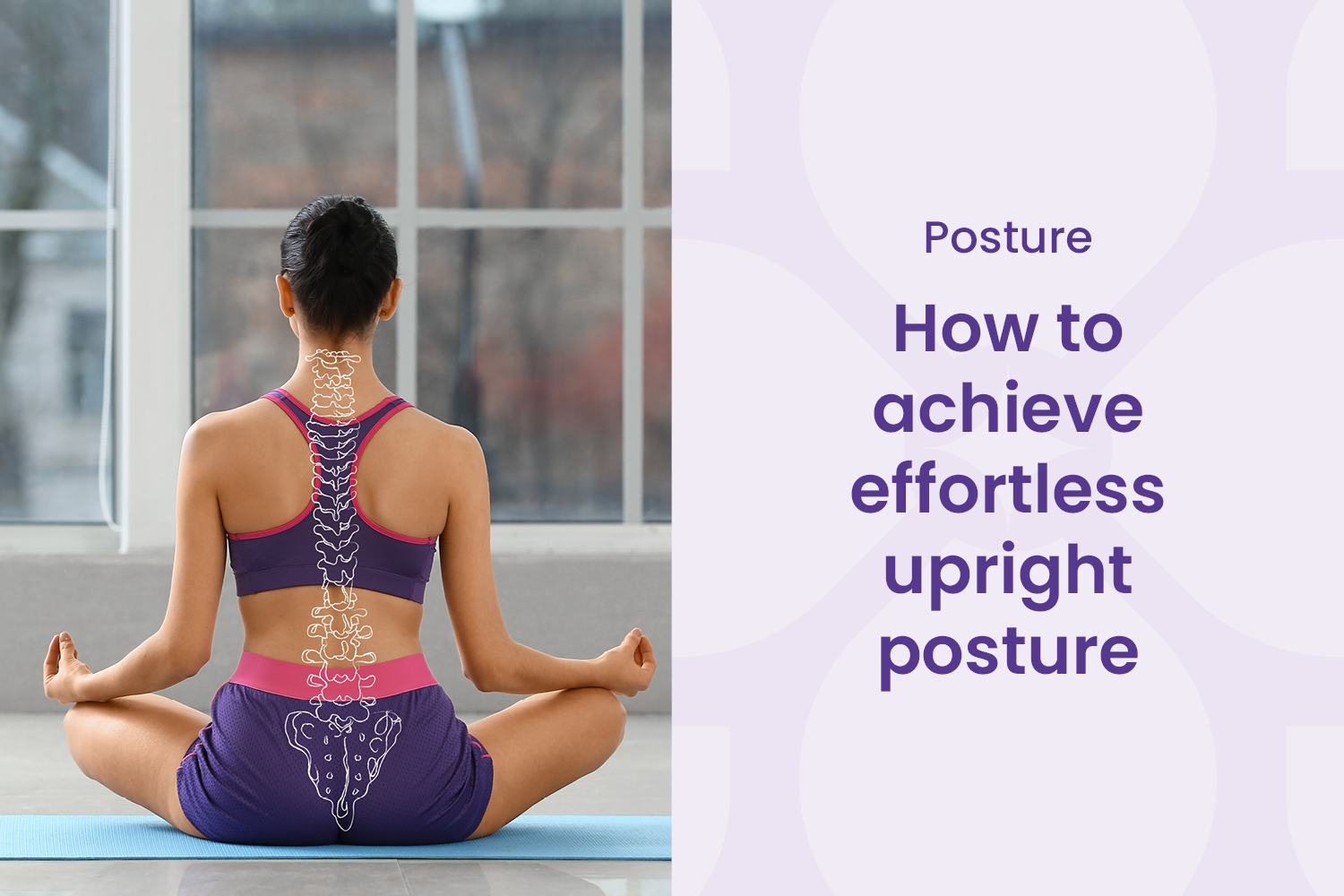
Gravity is constant. It’s present whether you’re standing, sitting, walking, or resting. Yet many people live as though upright posture requires effort against gravity, as though they must actively hold themselves up to prevent collapse.
But your body isn’t designed to resist gravity. It’s designed to organise itself within it.
This principle sits at the heart of chiropractic care. Chiropractic supports the movement and structural integrity that allow your body to meet gravity efficiently, rather than brace against it.
Your skeleton is engineered to manage load. Its shape, curves, and joint surfaces allow weight to transfer downward through your structure with efficiency. When well organised, gravity doesn’t compress you into strain. It travels through you.
When your head balances over your spine, your spine over your pelvis, and your pelvis over your feet, very little muscular effort is required to remain upright. The bones carry the load. The joints share the force. The system works as designed.
In this state, upright doesn’t feel rigid. It feels stable and calm.
Difficulties begin when muscles assume a stabilising role that belongs primarily to structure.
Many people unconsciously lift their chest, tighten their abdomen, or pull their shoulders back to “sit up straight”. It feels responsible. It looks correct. But it shifts the burden of gravity from bone to muscle.
Muscles are designed for movement and response. They aren’t designed for constant, static load. When they’re recruited to hold you upright all day, they fatigue. Tension builds. Small areas of strain accumulate.
Instead of being supported by your framework, you’re held together by effort.
This pattern often starts early. Childhood instructions such as “sit up straight” or “don’t slouch” teach you to create an appearance of posture rather than an experience of support.
You learn to perform uprightness.
Over time, that performance becomes a habit. You brace automatically. The body forgets how to trust its structure because it has learned to override it.
This creates a predictable cycle.
And so the loop continues. The more you try to hold yourself up, the less your structure is allowed to do its job.
Chiropractic care helps your body interrupt the posture loop by improving how clearly your spine communicates with the rest of your system.
When areas of your spine are under strain, your nervous system often responds by increasing muscle activity to create a sense of stability. This can make upright posture feel like something you have to hold rather than something your body can organise on its own.
By easing mechanical tension and improving the responsiveness of the spine, chiropractic care reduces the need for this constant muscular involvement. Your system can shift from bracing to responding, allowing your structure to take on more of its natural role.
As your body becomes more responsive, uprightness stops being a task. It becomes a natural expression of a system that’s no longer stuck in a cycle of effort.
You can begin shifting this pattern by noticing when you’re holding yourself up.
When standing, feel the contact between your feet and the ground. Let your weight travel downward instead of pulling upward.
When sitting, allow the chair to support you. If you notice tension in your back or shoulders, experiment with softening rather than correcting. Upright isn’t something you manufacture. It’s something your body expresses when structure and gravity are working together.