
Save £40 on all new patient consultations

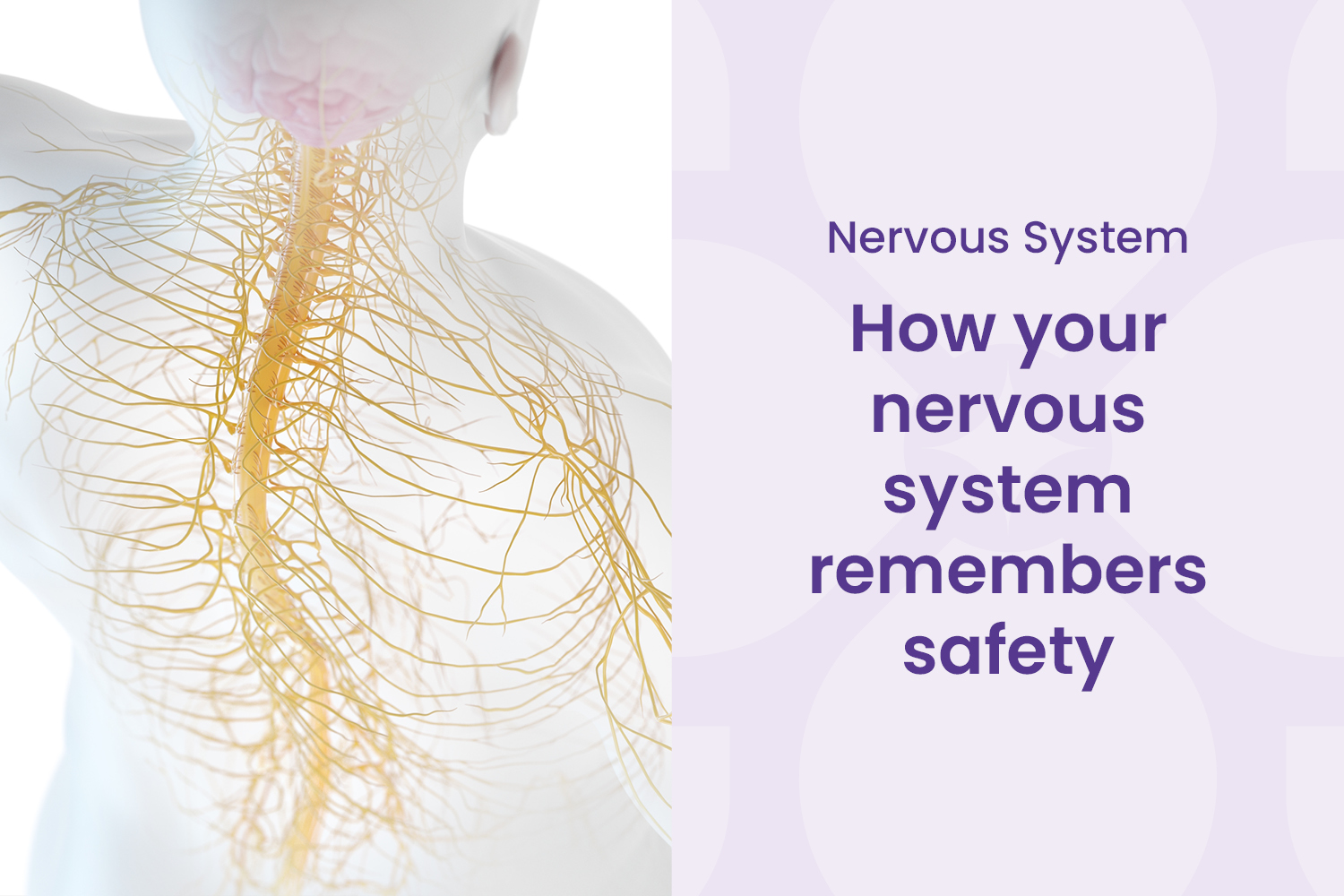
Your nervous system is always learning. It’s constantly taking in information about the world around you, the demands placed on your body, and the experiences you move through.
Over time, it builds patterns that help you stay safe and functional. Some of these patterns are useful. Others linger long after they’re needed.
Understanding how your nervous system learns and adapts can change the way you think about tension, posture, and movement. It can also help you make sense of why certain habits feel automatic, even when they no longer serve you.
Chiropractic care supports this process by helping your body access clearer, calmer signals. When your system feels safer, movement becomes easier, more natural, and less effortful.
Your nervous system is designed to keep you safe. When something feels uncertain or demanding, your body responds by tightening, bracing, or limiting movement. These responses aren’t mistakes. They are protective strategies your system has learned over time.
Think of moments when you’ve held your breath while concentrating, stiffened your shoulders under stress, or avoided moving in a certain way after an old injury. These are your nervous system’s learning in action. It stores these responses so it can react quickly when it senses a similar situation.
These protective patterns are often subtle. They develop gradually and become part of your daily movement before you even notice them.
Even when the original reason for the response has passed, the pattern can remain. Your body isn’t trying to create tension here; it’s simply relying on information it has to keep you safe.
Over time, these patterns can shape how you stand, walk, and carry yourself. You may not notice them directly. Instead, you might feel effort in certain positions or notice that some movements feel less fluid than they used to.
Protective patterns often appear as:
None of this is intentional. It’s simply your nervous system doing its best with the signals it receives.
When these patterns persist, everyday activities can feel harder than they need to. You may feel fatigued at the end of the day or notice certain muscles working harder than they should. This isn’t a weakness. It’s a nervous system that’s been protecting you for a long time.
Chiropractic care helps your nervous system step out of protection mode by easing the physical tension that keeps the body on alert. When certain areas are working harder than they need to, your system can interpret that effort as a sign that it should stay guarded.
By reducing the mechanical obstacles that keep your body in a heightened state, chiropractic care gives your nervous system room to settle. As the sense of background effort decreases, your system doesn’t need to rely on bracing or holding patterns to feel secure.
With less internal noise to manage, your body can shift toward a calmer, more organised state. Movements feel easier because your system isn’t preparing for a threat — it’s responding to the present moment.
As your nervous system receives clearer information, new movement options become available. You may notice you can turn your head more easily, breathe more freely, or stand without gripping. These changes are often subtle at first, but they signal something important: your system is learning to trust itself again.
Feeling safe enough to move differently doesn’t require effort or forcing yourself into new positions. It simply requires noticing when your body softens, when movement feels easier, or when you no longer need to brace.
Each small moment of ease reinforces a positive cycle. Your body begins to rely less on protection and more on natural support.
When protective patterns ease, your body begins to feel familiar again. Movements feel smoother. Standing feels steadier. You feel more at ease in your own structure.
This isn’t a dramatic transformation. It’s a gradual return to something your body has always known how to do.
Chiropractic care supports this return by helping your nervous system access clearer, calmer signals. As tension and guarding ease, you rediscover comfort, coordination, and confidence in your movements.
This is the quiet work of healing: not forcing change, but allowing your system to remember what safety feels like. With time, your nervous system learns that being supported, balanced, and at ease is not only safe but natural.