
Save £45 on all new patient consultations

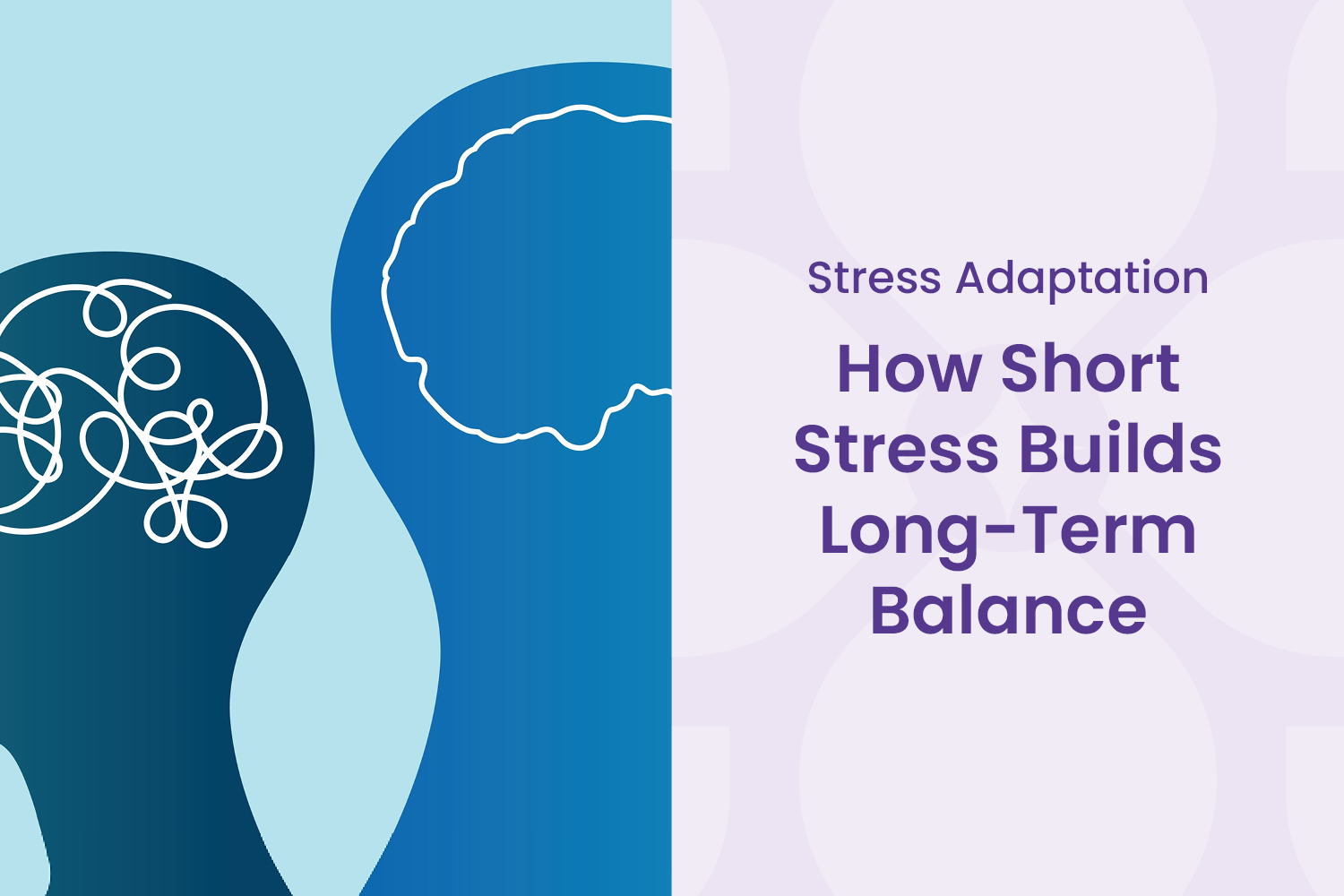
We spend a lot of time talking about stress. Usually, how to avoid it.
Some types of stress are actually good for you however. In fact, short, intentional bursts of discomfort can make your nervous system stronger and more resilient. This might sound like a hopeful idea but it’s actually a sound biological principle called hormesis
Hormensis is based on the idea that a little bit of what’s bad for you can trigger a positive response. Think of it as the science behind the old saying: “what doesn’t kill you makes you stronger.”
There are two types of stress. Acute vs. chronic.
Acute stress is short-lived. It’s the jolt you feel when you step into a cold shower or lift a heavy weight. Your body fires up, meets the challenge, and then returns to a state of rest. Usually stronger for the experience.
Chronic stress is different. It’s the low-grade, relentless pressure of a demanding job, financial worries, or unresolved emotional tension. It never gives your body a chance to recover. This is the type of stress that wears your nervous system down.
A blast of cold is a perfect example of acute, hormetic stress.
That initial shock forces your body to adapt. Your nervous system kicks into high gear, your circulation fires up, and your brain becomes laser-focused. Then, just as quickly, it’s over. Your body recalibrates.
Each time you do this, you’re training your nervous system. You’re teaching it how to respond to a challenge efficiently and then recover completely. This makes you better at handling all kinds of stress, not just the cold.
Your body’s ability to recover after a stressful event is key to good health.
Whether it’s a positive stressor like a hard workout or a negative one like a car accident, your nervous system needs to find its way back to balance. For the sake of your health…
If your spine is restricted, communication between your brain and body is compromised. This makes recovery slower and less efficient.
A chiropractic adjustment helps to reset the system. It clears the lines of communication. This allows your nervous system to properly process the stress event and guide your body back to a stable, balanced state.
Take an active role in fine-tuning your body.
Tools like cold exposure and focused breathing allow you to intentionally introduce small, manageable stressors into your life. You choose the time and the dose. This gives you a powerful sense of control.
Instead of being a passive victim of chronic stress, you become an active participant in your own resilience training. You are recalibrating your nervous system on your own terms.
This principle applies to children, too. But in a much gentler way.
We’re not talking about putting kids in ice baths. We’re talking about guided, adaptive stress. Playful challenges that build their confidence and resilience.
Try things like:
These small, positive challenges teach their developing nervous systems how to adapt. They learn that they can handle discomfort and come out stronger on the other side. It’s a foundational skill for a healthy, resilient life.
You don’t have to live in a bubble to be healthy. In fact, your nervous system is designed to be challenged.
By embracing short-term, intentional stress, you can build long-term balance and strength. Pair these personal practices with foundational chiropractic care. You’re not just coping with stress. You’re actively building a more resilient you.
If you’re ready to move from a state of chronic stress to one of empowered resilience, let’s talk. We can help you find the right balance to support your nervous system.